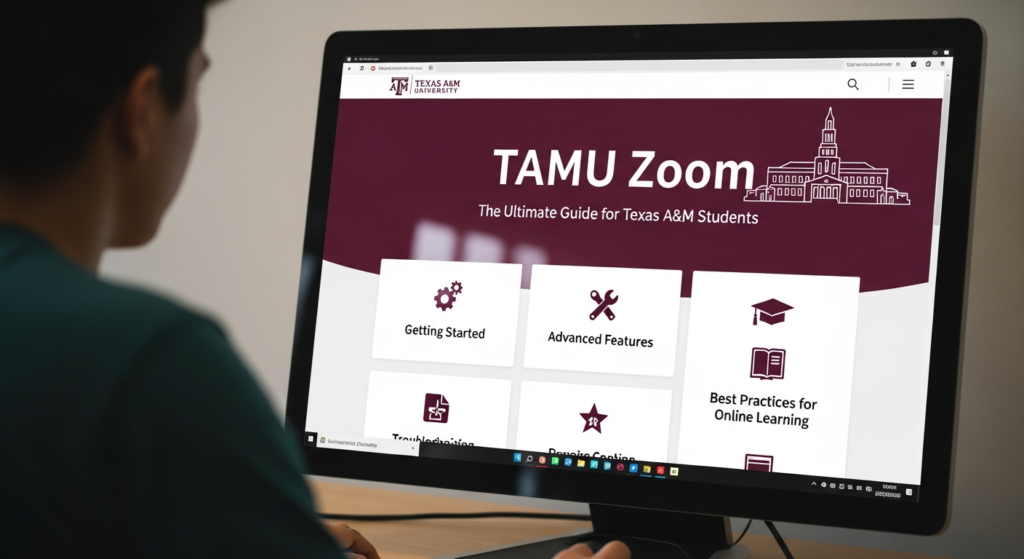
Texas A&M University (TAMU) is one of the leading institutions in the United States, known for its rigorous academic programs, vibrant campus life, and commitment to innovation. In today’s digital era, online communication platforms have become essential for students, faculty, and staff. One such platform that has gained immense popularity at TAMU is TAMU Zoom. Whether you are attending lectures remotely, participating in group projects, or joining university meetings, TAMU Zoom provides a seamless virtual experience for all users. This guide explores everything you need to know about TAMU Zoom, its features, benefits, and frequently asked questions.
What is TAMU Zoom?
TAMU Zoom is Texas A&M University’s official implementation of the Zoom video conferencing platform. Zoom is a cloud-based communication tool that allows users to conduct virtual meetings, webinars, lectures, and collaborative sessions. TAMU Zoom integrates with the university’s system, providing students and faculty access using their Texas A&M NetID and secure authentication methods.
The platform is designed to support both synchronous and asynchronous learning. Students can attend live lectures or access recorded sessions for review. Faculty members benefit from Zoom’s interactive features to engage students, conduct office hours, and collaborate on research projects. TAMU Zoom is accessible across devices, including desktop computers, laptops, tablets, and smartphones, making it a convenient choice for remote learning and professional communication.
Features of TAMU Zoom
TAMU Zoom offers a wide range of features that enhance the online experience for Texas A&M students and staff. Some of the most notable features include:
- HD Video and Audio: High-quality video and audio ensure clear communication during classes, meetings, and presentations.
- Screen Sharing: Participants can share their screens for lectures, demonstrations, or collaborative projects.
- Recording and Playback: Zoom sessions can be recorded and stored for future reference, which is particularly helpful for students who miss classes.
- Breakout Rooms: Instructors can divide participants into smaller groups for discussions, group activities, or projects.
- Chat Functionality: Participants can communicate via text during meetings without interrupting the speaker.
- Polling and Reactions: Instructors can engage students with polls or quick reactions to check comprehension or gather feedback.
- Integration with TAMU Systems: TAMU Zoom integrates with Canvas, Outlook, and other university systems for seamless scheduling and access.
How to Access TAMU Zoom
Accessing TAMU Zoom is straightforward for students, faculty, and staff. Follow these steps to get started:
- Visit the official Texas A&M Zoom portal at tamu.zoom.us.
- Log in using your TAMU NetID and password.
- Download the Zoom desktop or mobile app, if necessary.
- Once logged in, you can schedule, join, or manage Zoom meetings.
It’s important to note that TAMU Zoom accounts are tied to your NetID, so only current students, faculty, and staff have access. External participants can join meetings via a link provided by the host, but they won’t have full administrative access.
Benefits of Using TAMU Zoom
TAMU Zoom offers several benefits that enhance learning and collaboration:
- Flexibility: Attend classes or meetings from anywhere, whether on campus, at home, or abroad.
- Collaboration: Breakout rooms and screen sharing make group work efficient and interactive.
- Accessibility: Zoom supports closed captions and other accessibility features to ensure an inclusive environment.
- Time Management: Recorded sessions allow students to review lectures at their convenience, improving time management.
- Security: TAMU Zoom incorporates secure login procedures, ensuring private and safe communication.
Best Practices for TAMU Zoom
To make the most of TAMU Zoom, consider the following best practices:
- Test Your Equipment: Check your camera, microphone, and internet connection before joining a session.
- Use a Professional Background: Either use a virtual background or ensure your surroundings are tidy and distraction-free.
- Mute When Not Speaking: To minimize background noise and interruptions, keep your microphone muted unless speaking.
- Engage Actively: Participate in polls, chats, and discussions to get the most out of each session.
- Respect Meeting Etiquette: Arrive on time, dress appropriately, and avoid multitasking during lectures or meetings.
Common Uses of TAMU Zoom
TAMU Zoom is versatile and serves multiple purposes within the university setting:
- Virtual Lectures: Professors can deliver lectures to large groups of students remotely.
- Office Hours: Faculty can host office hours for students who cannot visit in person.
- Group Projects: Students can collaborate on assignments or research through breakout rooms.
- Administrative Meetings: Staff and administrators can conduct meetings efficiently without the need for physical presence.
- Webinars and Workshops: TAMU Zoom supports large-scale events, including guest lectures and professional development workshops.
Tips for a Smooth TAMU Zoom Experience
Here are some additional tips to ensure a seamless TAMU Zoom experience:
- Update Zoom Regularly: Keep your Zoom app updated to access the latest features and security patches.
- Use a Stable Internet Connection: A wired connection or strong Wi-Fi ensures uninterrupted video and audio quality.
- Familiarize Yourself with Zoom Tools: Learn how to use screen sharing, polls, reactions, and breakout rooms before your first session.
- Record Important Sessions: With permission, record lectures or meetings for future reference.
- Maintain Online Security: Do not share meeting links publicly and enable waiting rooms for sensitive meetings.
TAMU Zoom and Remote Learning
The COVID-19 pandemic accelerated the adoption of remote learning, and TAMU Zoom became a cornerstone of Texas A&M’s digital learning strategy. Even after returning to campus, Zoom continues to provide flexibility for hybrid learning, allowing students to choose between attending in person or remotely. Remote learners benefit from the same interactive features as on-campus students, ensuring consistent educational experiences.
Integration with Canvas and Other Tools
TAMU Zoom integrates seamlessly with Canvas, the university’s learning management system. Students can join scheduled classes directly from Canvas, view recordings, and submit assignments. Faculty can schedule Zoom sessions within Canvas, automatically generating meeting links and notifications. Integration with Outlook and email ensures that meeting invitations are easily accessible and synchronized across devices.
Security and Privacy in TAMU Zoom
Security is a top priority for TAMU Zoom. The platform uses encrypted communication, password-protected meetings, and waiting rooms to prevent unauthorized access. Faculty and students are encouraged to follow TAMU’s best practices for secure online communication, such as:
- Avoid sharing meeting links publicly.
- Require authentication for meeting participants.
- Regularly update passwords and Zoom settings.
- Enable waiting rooms to manage participant access.
By adhering to these practices, TAMU Zoom ensures a safe and productive environment for all users.
Conclusion
TAMU Zoom has become an indispensable tool for students, faculty, and staff at Texas A&M University. Its robust features, seamless integration with TAMU systems, and focus on security make it an ideal platform for remote learning, collaboration, and communication. By understanding how to access and use TAMU Zoom effectively, students and faculty can maximize their academic and professional experiences. Whether attending a virtual lecture, participating in group projects, or joining university meetings, TAMU Zoom provides the flexibility and functionality needed in today’s fast-paced educational environment.
FAQs About TAMU Zoom
1. How do I log in to TAMU Zoom?
You can log in at tamu.zoom.us using your TAMU NetID and password. Ensure you have activated your NetID before accessing Zoom.
2. Can I record TAMU Zoom meetings?
Yes, meetings can be recorded if the host enables recording. Recordings can be downloaded or stored in the cloud for later review.
3. Do I need to install Zoom to join a TAMU meeting?
You can join via a web browser, but installing the Zoom app on your device provides better performance and access to all features.
4. Is TAMU Zoom free for students?
Yes, TAMU Zoom is provided free for all Texas A&M students, faculty, and staff. Access requires a valid TAMU NetID.
5. What should I do if I experience technical issues with TAMU Zoom?
If you encounter problems, contact TAMU IT support or visit the TAMU Zoom Help Center for troubleshooting guides and assistance.