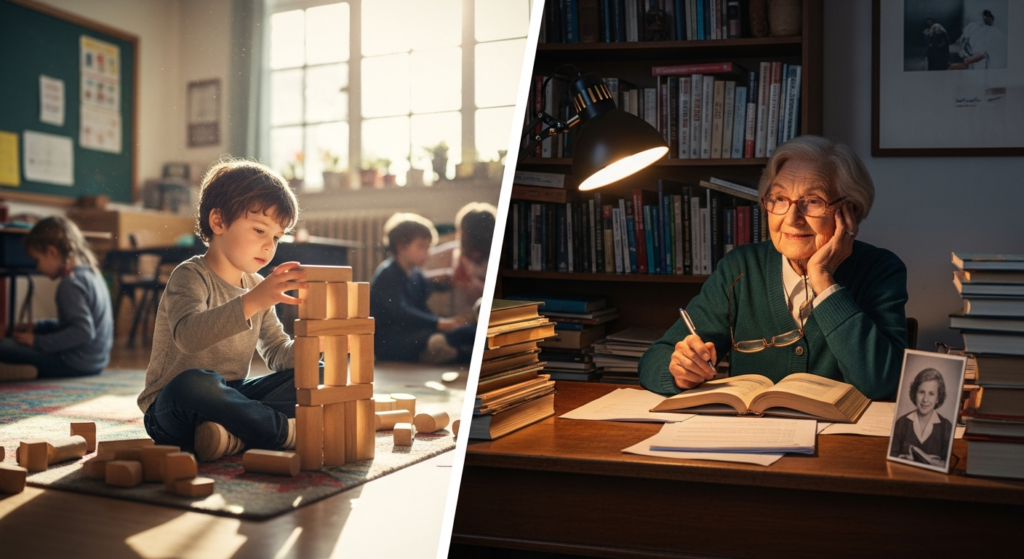
EducationBeing is more than just formal learning—it’s a journey of knowledge, curiosity, and personal growth. In today’s fast-changing world, understanding how we learn and grow can help us become better thinkers, learners, and contributors to society. EducationBeing focuses on nurturing skills, mindsets, and habits that create lifelong success. Whether you’re a student, teacher, or a lifelong learner, this guide will help you explore the tools, strategies, and experiences that enhance your educational journey.
What is EducationBeing?
EducationBeing is the process of integrating knowledge, skills, and values to improve oneself and contribute meaningfully to society. Unlike traditional education, it emphasizes personal growth, curiosity, and real-world learning. By focusing on holistic development, EducationBeing ensures that learners not only gain information but also understand how to apply it effectively. It blends cognitive learning, emotional intelligence, and practical skills, making it relevant for every stage of life.
The Importance of EducationBeing in Modern Life
In today’s digital and fast-paced world, EducationBeing helps individuals adapt, grow, and thrive. With information available at our fingertips, it’s essential to learn how to analyze, apply, and share knowledge responsibly. EducationBeing strengthens critical thinking, creativity, and problem-solving. It also nurtures empathy, communication, and collaboration—skills that are vital in personal and professional life. By focusing on EducationBeing, learners become more resilient and prepared for the challenges of the 21st century.
Core Principles of EducationBeing
EducationBeing rests on several key principles:
- Curiosity-Driven Learning: Asking questions and seeking answers fuels knowledge growth.
- Practical Application: Learning is most effective when applied in real-life scenarios.
- Continuous Improvement: Lifelong learning helps individuals adapt and evolve.
- Emotional and Social Intelligence: Understanding yourself and others enhances learning outcomes.
These principles guide learners to not only accumulate knowledge but also develop wisdom, empathy, and confidence in their abilities.
EducationBeing and Personal Growth
EducationBeing is closely linked to personal growth. By exploring new topics, acquiring skills, and reflecting on experiences, learners enhance self-awareness and emotional resilience. For instance, learning a new language can improve cognitive function while teaching patience and discipline. Similarly, engaging in collaborative projects fosters teamwork and communication skills. EducationBeing equips individuals with tools for self-improvement and encourages them to embrace challenges as opportunities for growth.
How EducationBeing Enhances Academic Success
EducationBeing improves academic performance by encouraging effective study habits, curiosity, and critical thinking. Students who embrace EducationBeing often approach learning with enthusiasm and a problem-solving mindset. They are better at retaining information, applying knowledge in practical situations, and collaborating with peers. Techniques such as interactive learning, project-based education, and reflective exercises are all part of EducationBeing’s approach, ensuring students excel both academically and personally.
EducationBeing in the Workplace
Employers increasingly value EducationBeing because it cultivates adaptable, knowledgeable, and collaborative employees. Skills such as critical thinking, communication, and lifelong learning make workers more efficient and innovative. Employees who practice EducationBeing are more likely to seek growth opportunities, mentor others, and contribute to a positive organizational culture. Companies benefit when their workforce prioritizes continuous learning, creativity, and self-improvement.
EducationBeing for Teachers and Educators
For teachers, EducationBeing emphasizes creating engaging, student-centered learning experiences. Educators who embrace this philosophy focus on nurturing curiosity, encouraging exploration, and developing critical thinking skills. They also adapt teaching methods to diverse learning styles, making education more inclusive and impactful. By integrating EducationBeing into the classroom, teachers empower students to take ownership of their learning and develop lifelong skills.
Tools and Resources to Practice EducationBeing
There are several ways to incorporate EducationBeing into daily life:
- Online Courses: Platforms like Coursera and Khan Academy provide flexible learning options.
- Interactive Workshops: Hands-on workshops reinforce practical knowledge.
- Reading and Research: Books, articles, and journals expand perspectives.
- Mentorship: Learning from experienced individuals accelerates growth.
- Reflection Journals: Writing down experiences helps track personal and academic progress.
These tools make EducationBeing accessible and practical for learners of all ages.
Real-Life Examples of EducationBeing
- A student starting a science project learns problem-solving, research, and teamwork skills.
- An employee taking online courses enhances job performance while expanding career opportunities.
- A teacher creating a project-based classroom fosters creativity, collaboration, and critical thinking among students.
These examples show that EducationBeing is not limited to schools—it applies to every learning situation in life.
Benefits of Embracing EducationBeing
Adopting EducationBeing has several benefits:
- Improved problem-solving and decision-making skills
- Enhanced creativity and critical thinking
- Stronger personal and professional growth
- Lifelong learning habits
- Greater adaptability in changing environments
By embracing EducationBeing, individuals equip themselves with the mindset and skills needed for long-term success.
Challenges in Practicing EducationBeing
While EducationBeing is valuable, learners may face obstacles such as:
- Lack of guidance or mentorship
- Limited access to resources
- Overwhelm from too much information
- Difficulty applying knowledge in practical situations
Awareness of these challenges allows learners to develop strategies, such as seeking support, setting goals, and focusing on one skill at a time.
How to Start Your EducationBeing Journey
- Set clear learning goals.
- Explore diverse resources and subjects.
- Reflect on experiences regularly.
- Apply knowledge in practical situations.
- Seek feedback and mentorship.
Starting small and staying consistent helps learners experience continuous improvement and satisfaction in their journey.
Conclusion
EducationBeing is a holistic approach to learning, growth, and personal development. It empowers individuals to think critically, act responsibly, and adapt confidently in life. By embracing EducationBeing, learners transform curiosity into meaningful skills, knowledge into practical action, and experiences into lifelong wisdom. Begin your EducationBeing journey today, and unlock the full potential within yourself and those around you.
FAQ – EducationBeing
1. What is the main goal of EducationBeing?
The goal is to combine knowledge, skills, and values for personal growth and societal contribution.
2. Who can benefit from EducationBeing?
Students, teachers, employees, and lifelong learners can all benefit.
3. How is EducationBeing different from traditional education?
It focuses on holistic growth, practical application, and lifelong learning, not just memorizing facts.
4. Can EducationBeing improve career opportunities?
Yes, it strengthens skills like problem-solving, adaptability, and critical thinking, which employers value.
5. What are common tools for practicing EducationBeing?
Online courses, workshops, reading, mentorship, and reflection journals are effective tools.
6. How can teachers implement EducationBeing?
By creating interactive, student-centered lessons, encouraging curiosity, and fostering collaboration.
Also Read More about This Post: EducationBeing