Cheese has long been a staple in diets worldwide. Its rich flavor and creamy texture make it a favorite addition to a variety of dishes. However, traditional cheese is often high in fat and calories, which can be a concern for people trying to maintain a healthy lifestyle. This is where fat-free cheese comes into play. Fat-free cheese offers the taste and texture of regular cheese but without the added fat, making it an ideal choice for health-conscious individuals. In this article, we will explore everything you need to know about fat-free cheese, its benefits, types, uses, and considerations.
What is Fat-Free Cheese
Fat-free cheese, also known as non-fat cheese, is a type of cheese that contains little to no fat. Typically, it is made from skim milk instead of whole milk, which significantly reduces the fat content while retaining protein and calcium. Fat-free cheese is designed to give consumers the same cheesy taste without the extra calories or saturated fat found in traditional cheese. The texture can vary depending on the type of cheese and production method, but advancements in food technology have made it possible to create varieties that closely mimic regular cheese.
Nutritional Benefits of Fat-Free Cheese
One of the main reasons people choose fat-free cheese is its nutritional benefits. Fat-free cheese is low in calories, making it easier to manage weight while still enjoying cheese in your meals. It is rich in protein, which supports muscle growth and repair, and calcium, which is vital for strong bones and teeth. Some fat-free cheeses are also fortified with vitamins and minerals, such as vitamin D and phosphorus, further enhancing their health value. Because fat-free cheese contains little to no saturated fat, it is considered heart-healthy and can be a better option for individuals looking to reduce cholesterol levels.
Types of Fat-Free Cheese
Fat-free cheese comes in various types, each suited for different culinary uses. Common types include fat-free mozzarella, cheddar, cottage cheese, and cream cheese. Fat-free mozzarella is ideal for pizzas and lasagnas, offering a similar melt and stretch as regular mozzarella. Fat-free cheddar can be used in sandwiches, burgers, and casseroles, giving a sharp, tangy flavor without the extra fat. Fat-free cottage cheese is perfect for salads, breakfast bowls, or snacks, as it is creamy, protein-rich, and versatile. Fat-free cream cheese can be spread on bagels or used in baking, maintaining a smooth texture while eliminating fat content.
Cooking with Fat-Free Cheese
Cooking with fat-free cheese is similar to cooking with regular cheese, but there are a few tips to keep in mind. Fat-free cheese can sometimes be less creamy and melt differently compared to full-fat cheese. To achieve better results, it’s recommended to combine fat-free cheese with other ingredients, such as vegetables or sauces, to improve texture and moisture. Fat-free cheese works well in casseroles, pasta dishes, and baked recipes, and it can also be grated or sliced for sandwiches and salads. Experimenting with different types of fat-free cheese will help you find the perfect flavor and texture for your favorite dishes.
Fat-Free Cheese and Weight Management
For people aiming to lose or maintain weight, fat-free cheese can be an excellent addition to the diet. Since it is lower in calories and fat, it allows individuals to enjoy cheese without exceeding their daily caloric intake. The high protein content also promotes satiety, helping you feel fuller for longer periods. Incorporating fat-free cheese into snacks, meals, and recipes can support a balanced diet, reduce cravings for high-fat foods, and make healthy eating more enjoyable. However, moderation is still key, as some fat-free cheeses may contain added sodium or preservatives.
Fat-Free Cheese and Heart Health
One of the major health benefits of fat-free cheese is its positive impact on heart health. High-fat cheeses contain saturated fats, which can increase LDL cholesterol levels and raise the risk of heart disease. Fat-free cheese eliminates this concern, offering a heart-friendly alternative. Regular consumption of fat-free cheese, as part of a balanced diet, may contribute to maintaining healthy cholesterol levels and supporting overall cardiovascular health. Additionally, the calcium in fat-free cheese helps regulate blood pressure, further promoting heart health.
Storage and Shelf Life of Fat-Free Cheese
Proper storage is essential to maintain the quality and freshness of fat-free cheese. Most fat-free cheeses should be kept refrigerated and tightly sealed to prevent moisture loss and contamination. Fat-free cheese generally has a slightly shorter shelf life compared to full-fat cheese due to the lack of fat, which naturally preserves flavor and texture. Always check the expiration date and follow manufacturer recommendations. Freezing fat-free cheese is possible, but it may slightly alter texture, making it best suited for cooking rather than eating raw.
Common Myths About Fat-Free Cheese
There are several misconceptions about fat-free cheese. One common myth is that it lacks flavor compared to regular cheese. While some fat-free cheeses may have a milder taste, many varieties are specifically formulated to retain rich and savory flavors. Another myth is that fat-free cheese is nutritionally inferior. In reality, it provides essential nutrients like protein, calcium, and vitamins while reducing fat and calories. Understanding these facts can help consumers make informed choices and enjoy fat-free cheese without hesitation.
Tips for Choosing the Best Fat-Free Cheese
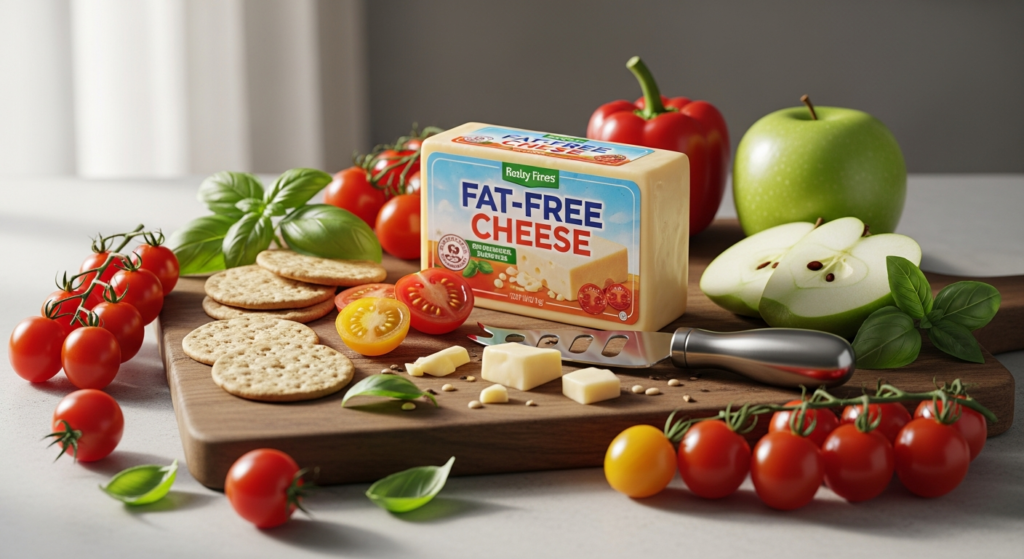
When selecting fat-free cheese, it’s important to read labels carefully. Look for products with low sodium, high protein, and no artificial additives. Consider the intended use, as some fat-free cheeses melt better for cooking while others are ideal for snacking. Trying different brands and types will help you find the ones that match your taste preferences. Additionally, pairing fat-free cheese with fresh fruits, vegetables, or whole-grain crackers can enhance both flavor and nutritional value.
Fat-Free Cheese in Popular Diets
Fat-free cheese is popular in a variety of diets, including low-calorie, low-fat, and heart-healthy diets. It is also compatible with vegetarian diets since it is typically made from dairy products without added meat. People following weight management programs or calorie-restricted diets often use fat-free cheese as a substitute for high-fat cheeses, allowing them to enjoy familiar dishes without compromising their dietary goals. Its versatility and nutritional profile make it a convenient and effective addition to many healthy eating plans.
FAQs About Fat-Free Cheese
Is fat-free cheese as healthy as regular cheese?
Yes, fat-free cheese can be healthier than regular cheese because it has less fat and fewer calories while still providing protein, calcium, and other nutrients.
Can fat-free cheese be used for melting?
Yes, many fat-free cheeses, especially mozzarella and cheddar, melt well, though they may be slightly less creamy than full-fat versions.
Does fat-free cheese taste different?
Fat-free cheese may have a slightly milder flavor, but many varieties are formulated to taste similar to their full-fat counterparts.
Is fat-free cheese suitable for weight loss?
Absolutely. Its lower calorie and fat content make it an excellent choice for weight management while still offering protein and calcium.
How should fat-free cheese be stored?
Keep fat-free cheese refrigerated in an airtight container. Some types can be frozen, but texture may change, so it’s best used in cooking afterward.
Conclusion
Fat-free cheese is a versatile, nutritious, and delicious alternative to traditional cheese. It offers the creamy texture and rich flavor that cheese lovers enjoy while reducing fat and calories, making it an ideal choice for weight management, heart health, and balanced diets. With a wide variety of types available, from mozzarella and cheddar to cottage cheese and cream cheese, fat-free cheese can be used in cooking, baking, or snacking. Understanding its nutritional benefits, storage guidelines, and proper cooking techniques ensures that fat-free cheese remains a tasty and health-conscious addition to any meal. Whether you are trying to cut calories, lower cholesterol, or simply enjoy a lighter version of your favorite cheese, fat-free cheese provides a satisfying solution without compromising flavor or nutrition.