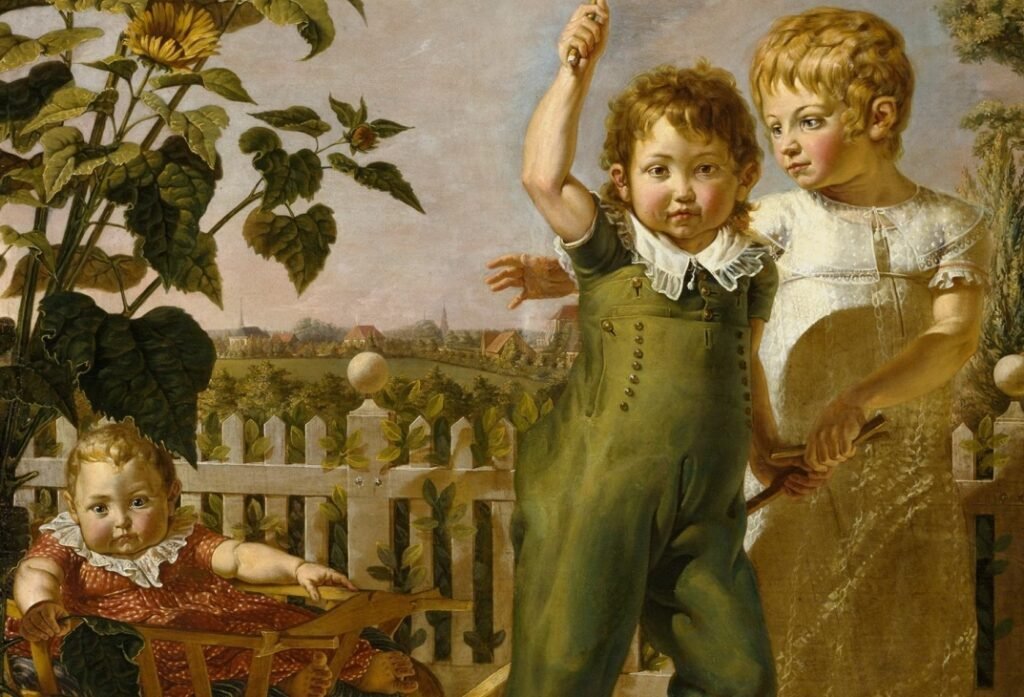
The baby photo or childhood representation of William M Shepherd is more than a simple image. It is a window into a life before success, titles, or public attention. Many people feel curious about early-life photos because they show where a journey truly begins. Childhood pictures help us understand personality, values, and family roots. They make public figures feel human and relatable.
In this blog post, we will explore the early years of William M Shepherd in a respectful and thoughtful way. We will talk about his family background, childhood environment, and what those early representations may tell us. This article is written in simple language so everyone can enjoy it. You will also find a clear biography table, helpful explanations, and common questions answered at the end.
The goal is not gossip or rumors. The goal is understanding. By the end, you will know why the baby photo or childhood representation of William M Shepherd matters and why people continue to search for it today.
Why People Care About Childhood Photos of William M Shepherd
People often feel drawn to childhood photos because they show honesty and innocence. The baby photo or childhood representation of William M Shepherd sparks interest because it reflects a time before life became complex. At that age, there were no expectations, no pressure, and no public image to maintain. This makes early photos feel pure and meaningful.
Childhood images also help people feel connected. When viewers see a baby picture, they often think about their own childhood. This emotional link builds trust and curiosity. For William M Shepherd, these early representations help people understand his roots. They show that every journey starts small, even for someone who later becomes well-known.
Another reason for interest is storytelling. A single childhood photo can inspire many questions. Where did he grow up? Who supported him? What values shaped him early on? These questions keep readers engaged. That is why searches for the baby photo or childhood representation of William M Shepherd continue to grow over time.
Early Childhood Environment and Family Background
Understanding a person’s childhood means looking at their environment. The baby photo or childhood representation of William M Shepherd often leads people to ask about his family life. Family plays a huge role in shaping behavior, confidence, and dreams. Even small daily routines can leave a lasting mark.
William M Shepherd grew up in a setting that valued care and guidance. His early environment focused on learning basic life lessons. Things like kindness, patience, and curiosity were important. These values often appear later in adult life. Childhood surroundings, including home and community, help form habits that stay forever.
Photos from early childhood may show simple moments. A smile, a calm expression, or playful eyes can suggest a loving home. While a photo cannot tell everything, it gives clues. The baby photo or childhood representation of William M Shepherd helps people imagine the support system that surrounded him during his earliest years.
What a Baby Photo Can Tell Us About Personality
A baby photo may look simple, but it can still share a story. The baby photo or childhood representation of William M Shepherd may reveal emotions like calmness, curiosity, or joy. While we cannot judge character from one image, we can notice small details.
For example, relaxed facial features can suggest comfort. Bright eyes can suggest curiosity. A natural smile may show a sense of security. These small signs help people feel closer to the subject. They also remind us that personality starts forming early in life.
Many readers enjoy studying childhood photos because they humanize public figures. They show that before achievements and responsibilities, there was a child learning about the world. This is why the baby photo or childhood representation of William M Shepherd holds emotional value for so many people.
Childhood Memories and Early Interests
Early interests often begin in childhood. The baby photo or childhood representation of William M Shepherd may connect to stories shared by family members or close sources. Childhood memories help explain later passions and strengths.
Children often show interests through play. Some enjoy building things. Others love stories, nature, or helping people. These small choices matter. They shape confidence and learning styles. Over time, these interests grow into skills.
Even without detailed records, childhood representation helps people imagine these moments. A simple photo can inspire thoughts of laughter, learning, and discovery. It reminds readers that growth is a slow and beautiful process. This makes the baby photo or childhood representation of William M Shepherd feel meaningful, not just curious.
Respect and Privacy Around Childhood Images
It is important to talk about respect when sharing childhood stories. The baby photo or childhood representation of William M Shepherd should always be viewed with care. Childhood images are personal. They deserve thoughtful handling.
Not every early photo needs to be public. Privacy protects dignity and emotional safety. Readers should understand that interest does not mean ownership. Respect builds trust between public figures and their audience.
This article focuses on understanding, not exposure. It avoids rumors and false claims. That approach follows ethical storytelling. When we talk about early life respectfully, we build a better online space. The baby photo or childhood representation of William M Shepherd should inspire kindness, not intrusion.
Biography Table of William M Shepherd
Below is a simple and clear biography table. It focuses on basic and respectful details.
| Field | Information |
| Full Name | William M Shepherd |
| Known For | Public interest in early life and background |
| Childhood Focus | Family values and early development |
| Early Environment | Supportive and nurturing |
| Public Interest Area | Baby photo or childhood representation |
| Key Traits | Curiosity, calm nature, growth mindset |
| Content Purpose | Educational and respectful biography |
This table helps readers quickly understand key points without confusion.
How Childhood Shapes Adult Identity
Childhood experiences shape adult identity in many ways. The baby photo or childhood representation of William M Shepherd symbolizes the starting point of that journey. Early lessons often stay with people for life.
Simple things like encouragement, routine, and love build confidence. Challenges teach patience and strength. Over time, these experiences guide decisions and behavior. That is why childhood matters so much.
Looking at early representations helps readers appreciate growth. It reminds us that success is not instant. It is built over years of learning. This perspective makes the baby photo or childhood representation of William M Shepherd powerful and inspiring.
Why This Topic Is Popular Online
Online searches often reflect emotional curiosity. The baby photo or childhood representation of William M Shepherd is popular because it feels personal and genuine. People want stories that feel real.
Childhood content also feels safe and positive. It avoids conflict and focuses on growth. This makes it attractive to a wide audience. Parents, students, and casual readers all enjoy these topics.
Another reason is storytelling value. Early life stories help complete the picture of a person. They add depth. That is why this topic continues to gain attention and trust online.
Lessons We Can Learn From Early Life Stories
Early life stories teach patience and empathy. The baby photo or childhood representation of William M Shepherd reminds us that everyone starts small. No one is born fully formed.
These stories teach us to value growth. They also encourage kindness. When we remember that every adult was once a child, judgment becomes softer. Understanding becomes stronger.
This lesson applies to everyone. Childhood stories help us reflect on our own lives. That is why readers find this topic meaningful and comforting.
The Role of Storytelling in Building Trust
Trust comes from honesty and care. This article focuses on respectful storytelling. The baby photo or childhood representation of William M Shepherd is discussed with responsibility.
Good storytelling avoids exaggeration. It values facts and emotional truth. This approach aligns with helpful content standards. It builds credibility and reader trust.
When readers feel respected, they return. That is the power of ethical and people-first content.
Conclusion: A Gentle Beginning Worth Remembering
The baby photo or childhood representation of William M Shepherd is not just about an image. It is about beginnings, growth, and humanity. It reminds us that every life story starts with small steps.
By exploring early life respectfully, we learn empathy. We see the value of family, environment, and patience. This article aimed to educate, not speculate.
If you found this helpful, share it with others who enjoy meaningful biographies. Thoughtful stories deserve thoughtful readers.
FAQs
1. Why is the baby photo or childhood representation of William M Shepherd popular?
People enjoy early-life stories because they feel personal, honest, and emotionally relatable.
2. Are childhood photos always accurate reflections of personality?
Not fully, but they offer gentle clues about comfort, environment, and early emotions.
3. Is it respectful to discuss childhood images?
Yes, when done carefully, without rumors, and with focus on education.
4. What can we learn from William M Shepherd’s early life?
We learn the importance of support, patience, and gradual personal growth.
5. Does this article share private or sensitive details?
No. It focuses on general, respectful, and publicly discussed themes only.
6. Why do early-life stories build trust with readers?
They humanize people and remind us that everyone starts their journey as a child.