In the world of photography, lighting is one of the most crucial elements that can make or break an image. Among the various lighting techniques and tools available, the zoom flash stands out for its versatility and efficiency. Whether you are a professional photographer or an enthusiastic hobbyist, understanding how a zoom flash works can dramatically improve your photography skills and the quality of your images. In this article, we will explore the concept of zoom flash, how it works, its advantages, and practical tips for using it effectively.
What is a Zoom Flash
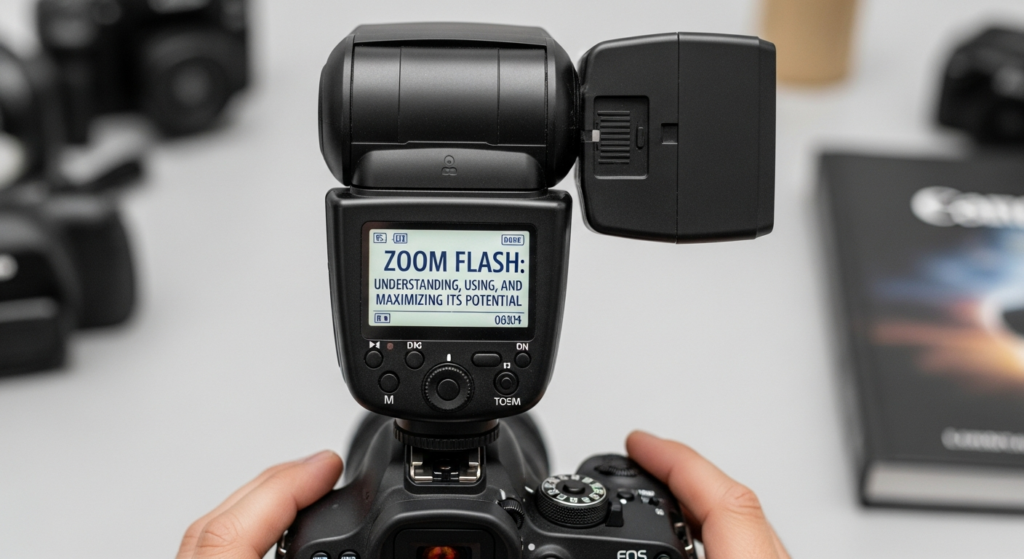
A zoom flash is a type of camera flash that automatically adjusts the spread of light according to the focal length of the lens. Unlike a standard flash that emits light uniformly, a zoom flash can concentrate or widen its beam depending on the distance and zoom of the camera lens. This makes it particularly useful for capturing subjects that are either near or far, ensuring optimal illumination without overexposing or underexposing the scene.
The zoom mechanism in these flashes allows the light to focus on a smaller area when using a telephoto lens, effectively increasing the reach of the flash. Conversely, when using a wide-angle lens, the flash spreads light over a larger area to evenly illuminate the scene. This adaptability makes zoom flashes an essential tool for photographers who frequently change lenses or shoot in varying conditions.
How Does a Zoom Flash Work
The working principle of a zoom flash is relatively simple yet highly effective. Inside the flash unit, there is a movable reflector that shifts according to the zoom setting. When the lens is zoomed in, the reflector narrows the light beam to focus on the subject at a distance. When the lens is zoomed out, the reflector widens the beam to cover a larger area.
Many modern zoom flashes also come with intelligent features, such as automatic adjustment based on the camera’s focal length or subject distance. Some advanced models include pre-flash metering, which calculates the ideal light output to avoid harsh shadows or blown-out highlights. This allows photographers to concentrate on composition and creativity rather than worrying about technical settings.
Advantages of Using a Zoom Flash
One of the main advantages of a zoom flash is its ability to provide consistent lighting across different focal lengths. This eliminates the need for multiple flash units or complex lighting setups when switching between wide-angle and telephoto shots. A zoom flash also enhances the depth and dimension of photographs by controlling the spread of light.
Additionally, zoom flashes are energy-efficient compared to standard flashes because they focus light precisely where it is needed, reducing waste. Many models are compact and lightweight, making them easy to carry during travel or outdoor shoots. They also allow for creative lighting techniques such as bounce flash, where the light is reflected off walls or ceilings to create soft and natural illumination.
Using a Zoom Flash for Portrait Photography
Portrait photography benefits significantly from the versatility of a zoom flash. By adjusting the beam to match the lens focal length, photographers can achieve flattering lighting on subjects’ faces without harsh shadows. Using a zoom flash in combination with a diffuser or bounce card can create soft, even light that enhances skin tones and minimizes blemishes.
For close-up portraits, a wide flash coverage ensures that the entire face is illuminated evenly. For distant portraits, a concentrated beam prevents the subject from blending into a dark background. Photographers can also experiment with directional lighting to highlight specific features or create dramatic effects.
Zoom Flash in Event Photography
Event photography, such as weddings, parties, or corporate gatherings, often involves unpredictable lighting conditions. A zoom flash is invaluable in these scenarios because it adapts to varying distances and compositions quickly. Whether photographing a large group at a banquet hall or capturing candid moments from across a room, the zoom flash ensures that subjects are consistently well-lit.
Using a zoom flash with wireless triggering or off-camera setups can further enhance creativity. Photographers can position multiple flashes strategically to create dynamic lighting that adds depth and dimension to the images. The portability of zoom flashes also makes them ideal for events where space and setup time are limited.
Creative Uses of Zoom Flash
Beyond standard portrait and event photography, zoom flashes open up a range of creative possibilities. High-speed photography, macro photography, and even artistic light painting can benefit from precise flash control. Adjusting the zoom setting allows photographers to emphasize textures, highlight movement, or isolate subjects from cluttered backgrounds.
Some photographers use zoom flashes in combination with gels or colored filters to create mood and atmosphere. For instance, a narrow beam on a subject with a warm gel can mimic sunlight streaming through a window. A wide beam with a cool gel can create a dramatic, cinematic effect. The flexibility of zoom flashes makes them a powerful tool for experimentation and artistic expression.
Tips for Maximizing Zoom Flash Performance
To get the best results from a zoom flash, there are several practical tips to keep in mind. First, always match the flash zoom setting to your lens focal length for optimal coverage. Use the flash in manual mode when precise control is required, and experiment with bounce techniques to soften light.
Additionally, consider using accessories such as diffusers, reflectors, and gels to modify the light creatively. Understanding the limitations of your flash, including recycle time and maximum range, will help you avoid common issues such as motion blur or underexposure. Practicing with different zoom settings and lighting scenarios will build confidence and improve the consistency of your photographs.
Common Misconceptions About Zoom Flash
One common misconception is that a zoom flash automatically guarantees perfect lighting. While it does adjust the beam, it cannot compensate for all challenging lighting situations. Photographers still need to consider ambient light, subject distance, and composition. Another misconception is that zoom flashes are only useful for telephoto lenses. In reality, they enhance wide-angle shots just as much by distributing light evenly across the scene.
Some beginners also assume that zoom flashes are complicated to use, but modern units often have intuitive controls and automatic settings. Learning how to leverage these features effectively requires practice, but the benefits in terms of image quality and creative flexibility are well worth the effort.
Choosing the Right Zoom Flash
Selecting the right zoom flash involves considering several factors, including compatibility with your camera, flash power (guide number), range of zoom, and additional features like wireless triggering or high-speed sync. Compact flashes are convenient for travel and casual photography, while professional-grade units offer more power and advanced controls for demanding shoots. Reading reviews, testing different models, and understanding your shooting style will help ensure that you invest in a flash that meets your needs.
Conclusion
A zoom flash is an indispensable tool for photographers seeking flexibility, control, and creative potential in lighting. By adjusting the spread of light according to lens focal length, it provides consistent illumination, enhances image quality, and opens up new creative possibilities. Whether used for portraits, events, or artistic experimentation, a zoom flash can elevate photography from good to exceptional. Mastering its features and understanding its advantages will empower photographers to produce images that are both technically sound and visually striking.
Frequently Asked Questions About Zoom Flash
What is the difference between a zoom flash and a standard flash
A zoom flash adjusts the spread of light according to the focal length of the lens, while a standard flash emits a uniform beam that does not change with zoom.
Can I use a zoom flash with any lens
Most modern zoom flashes are compatible with a wide range of lenses, but it’s important to check the manufacturer’s specifications for your camera and lens combination.
Does zoom flash improve battery life
Not directly, but because it focuses light more efficiently, it can reduce wasted energy compared to a standard flash, potentially allowing longer shooting sessions.
How do I use a zoom flash for bounce photography
Angle the flash head toward a reflective surface such as a wall or ceiling. Adjust the zoom to control the spread of light and create soft, even illumination.
Is zoom flash suitable for outdoor photography
Yes, a zoom flash can supplement natural light in outdoor settings, especially for fill flash, portraits, or situations where the subject is backlit or in shadow.